




'Lonely at the top' - Capsule-free wines

Pictured: The 2024 French releases from La Famille.
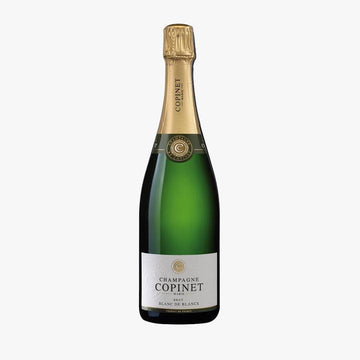
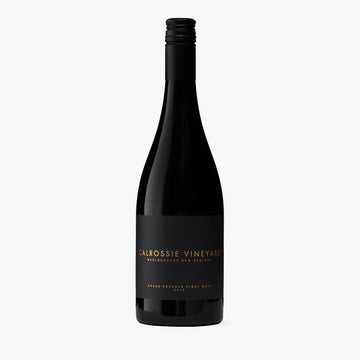
Recently, we've had a number of customers question why some of their bottles arrive with the cork exposed, while others have a tin foil (or capsule, as it is known) or even with a hand-dipped wax top. Some have immediately thought the capsule was missing or that the bottle was compromised, but neither is the case.
This discussion is an interesting one, as it highlights a recent move that a number of well-known estates have made: to produce capsule-free wines in the name of reducing waste and cost.
In the 18th century, lead capsules were originally used to prevent weevils and mites from entering and destroying the corks. Lead is, of course, a toxic metal, so over time the transition was made to tin. Tin remains in use today, though most producers have moved to easier-to-cut and cheaper aluminium or plastic foils.
When a wine is presented at the table or opened at home, the first thing to come off is the capsule. Cut and then thrown away, the capsule serves no real purpose other than an aesthetic one—it does not prevent cork taint, it does not slow down or stop oxygen ingress (the ageing of the wine), nor does it have any real function beyond its looks.
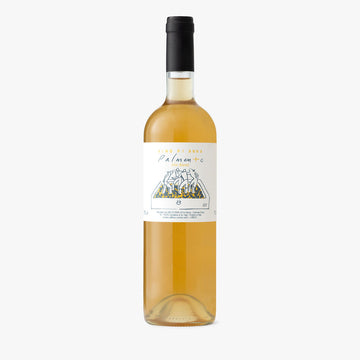
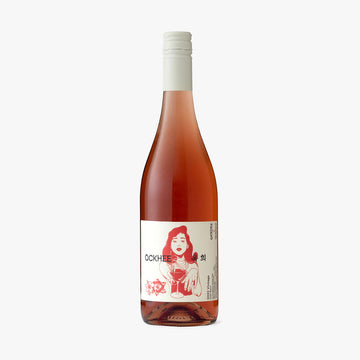
Naturally, in a society where less is more, producers have been quick to do away with excess, removing capsules entirely and presenting an elegant, clean bottle as it would appear once the packaging is removed. Notable producers who have made this change include Hans Herzog Estate (Marlborough), Hervé Souhaut (Rhône), and, of course, our very own La Famille range.
Next time you see a wine without a capsule, don't think any less of it; rather, take comfort in the fact that no money has been wasted on packaging and all of the value has been directed into what matters most: the wine itself and what ends up in your glass.
For more, we recommend reading "Lonely at the top" by Mark Pardoe, Master of Wine and Wine Director at Berry Bros. & Rudd (UK).